FREE SHIPPING ON ORDERS $60 OR ABOVE

Biological Indicators: Overview, Types, and Benefits

The different living organisms that make up a biological system can tell us a lot about the health of their environment. For instance, plankton are very sensitive to changes in their surroundings and can be used as a helpful way to measure water quality and detect signs of pollution. It’s incredible to know that we can learn a lot from the smallest members of an ecosystem! One of those is biological indicators, also cited as bioindicators.

They are essential tools for evaluating the environment’s quality and the changes it undergoes over time. They consist of living organisms such as animals, plants, and microbes and serve to monitor environmental health and its potential impact on human civilization, whether positive or negative. Keep reading to gain a deeper understanding of these environmental tools, their types, and their potential benefits!

What is a Bioindicator?

The role of biological indicators (BI) in microbiology is crucial in determining the effectiveness of sterilization processes. A spore test is another name for these indicators, which contain bacterial spores that are highly resistant to sterilization methods. By subjecting these spores to sterilization processes, microbiologists can ensure that the methods used are effective in eliminating all forms of microbial life.

Types of Bioindicators:

Various organizations are currently utilizing and promoting bioindicators as valuable tools for biomonitoring and assessing human impact. These bioindicators are categorized into multiple types.

1. Animal Indicators:

Frogs are one of the most widely recognized animal bioindicators due to their sensitivity to environmental changes. Their habitats, both in water and on land, greatly affect their well-being. As such, frogs can serve as helpful bioindicators for assessing ecological quality and changes in the environment.

Observing changes in animal populations can also provide valuable insight into the health of the ecosystem. A sudden decrease in population density may suggest negative impacts stemming from pollution or other harmful factors.

The availability of food sources can also impact animal populations, with scarcity leading to reductions in population size. Furthermore, monitoring animal indicators can also signify the presence of toxins within the ecosystem and their potential impact on animal tissues.

2. Plant Indicators:

Plants are effective bioindicators that play a crucial role in determining the health of the environment. With ever-growing industrialization and urbanization, water contamination has become a major concern. However, marine plants offer a unique advantage in providing authentic information about the oceanic environment as they are stationary and quickly adapt to their surroundings.

The presence or absence of specific plants can tell you a lot about environmental conditions. Therefore, plants make a significant contribution to predicting and recognizing environmental stresses.

3. Microbial Indicators:

Aquatic and terrestrial ecosystems typically depend on microorganisms as health indicators. These tiny organisms are abundant, simple to test, and easily accessible. By exposing microorganisms to certain contaminants, such as cadmium and benzene, scientists can detect stress proteins that serve as early warning signs.

In marine ecosystems, microorganisms also play a crucial role in biomass and are responsible for the majority of productivity and nutrient cycling. Microorganisms grow quickly and can respond to even minor changes in physicochemical and biological elements. Thus, these tiny organisms are considered a reliable source of biological indicators.

Testing Procedure of Biological Indicators:

During the testing procedure, a carrier material with bacterial spores resistant to sterilization is used as a biological indicator to ensure safety. The BI is enclosed in a glassine envelope or vial and exposed to the sterilization process. The spores are then incubated under specific conditions to determine if any survived. If no spores grow, the test is considered a pass.

However, if there is any growth detected, the test is considered a failure. It is important to always follow the manufacturer’s instructions for use when using a biological indicator, regardless of the process or application. This helps to ensure accurate and reliable results in sterile processing.

Benefits of Biological Indicators:

The use of biological indicators is essential for ensuring the effectiveness of the sterilization process for equipment and surgical tools. It is a crucial aspect of the three-pronged approach to monitoring and maintaining the highest level of safety and quality in medical facilities, including surgery centers, dental practices, hospitals, etc.

Sterilization prevents cross-contamination and is considered essential for the proper functioning of the modern healthcare system. It plays a key role in protecting both medical staff and patients.

In sterilizing medical equipment, we must be absolutely certain that everything is operating exactly as it should be. That’s where biological indicators come in. They’re the ultimate way to monitor the sterilization process and make sure everything is up to the mark. They are the gold standard for a reason and are absolutely critical to keeping things safe and effective.

Limitations:

Not all living creatures, processes, or communities can be used as credible bioindicators. Various biological, physical, and chemical factors can differ greatly across different environments. Each population has its own unique techniques for optimizing growth and reproduction, which is commonly known as fitness. When a species is exposed to conditions outside of its ideal range, it may experience adverse effects on its physiology or behavior, ultimately leading to a decrease in its overall fitness.

This decline in fitness can disrupt population dynamics and alter communities. While bioindicators can exhibit moderate tolerance for environmental conditions, some rare species that are either too sensitive or infrequently encountered may not prove to be useful indicators.

End Note:

The use of bioindicators greatly improves the assessment of the health of biological communities. These tools are abundant, objective, and reproducible, making them highly suitable for use at any level. Despite some limitations, the benefits of bioindicators are extensive and far outweigh any restrictions.

Planktonic monitors, for example, are essential bioindicators in evaluating the general health of water bodies. They provide an all-encompassing assessment of physical, biological, and chemical elements. Moreover, bioindication and biomonitoring have shown significant results in studying the impact of external factors on ecosystems. And distinguishing between polluted and unpolluted areas. Thus, in recent times, bioindicators have become essential in determining the overall well-being of an ecosystem.

How a Protective Face Shield Can Keep You Safe?

Face shields are a piece of protective equipment devices that are used by workers belonging to multiple industries, including medical, dental, and veterinary. They protect the facial area from harmful splashes and sprays of body fluids. They are breathable, provide optical clarity and come in a variety of forms. They can be disposable or reusable, but all extend below the chin to cover the face and provide maximum protection.

Understanding their importance and guidelines of use is necessary if you work in a sector that continuously exposes you to harmful liquids. Here are the ways a face shield can protect you from airborne particles and maximize your safety.

They Provide Eye Protection:

Unlike face masks that only cover the mouth and nose, face shields provide comprehensive protection. They fully cover the wearer’s entire face and also protect the eyes. This ensures that water droplets containing pathogens or viruses cannot directly contact the wearer. Moreover, if these face shields are worn with face masks, they can provide the highest degree of protection.

Add a Layer of Protection Between You and Others:

Face shields are usually fabricated with polycarbonate, which is a material that totally restricts the passage of germs. Hence it creates a protective barrier between you and others, specifically when they cough or sneeze.

Help You Avoid Touching Your Face:

Face shields can constantly remind wearers to prevent touching their eyes, face, or hair. As a result, this will prevent any bacteria or water droplets on their hands from reaching and contaminating their face.

Materials Used to Make Face Shields:

Face shields contain various materials in their composition that provide both transparency and durability. The most common materials that most face shields are predominantly fabricated with include polycarbonate, plastic, and acrylic. Plastic is a lightweight material that offers maximum optical visibility.

  • Acrylic is another popular choice for the manufacturing of face shields due to its durability, impact resistance, and transparency.
  • It ensures the highest optical clarity while offering maximum protection against harmful pathogens and droplets.
  • Polycarbonate is another manufacturing compound for face shields. It is well-known for its tensile strength and durability. Face shields made with this material are relatively more rigid and have optimum impact resistance.
  • This material offers outstanding transparency, making it the best choice for people who work in settings that require a higher degree of protection.
  • However, the choice of material in the manufacturing of face shields is usually based on components like the desired level of protection, intended use, and the need for reusability.
  • With a versatile range of materials, face shields encompass several benefits. They create a robust barrier against airborne diseases while ensuring maximum visibility and comfort for wearers.

Different Types of Face Shields:

There are multiple types of face shields available that serve different needs. They can either be reusable or disposable. Reusable face shields are prepared from resistant, highly reliable, and durable materials. Plus, they can be easily cleaned and disinfected, making them a suitable choice for long-term use.

On the other hand, disposable face shields are convenient and often created with relatively delicate and lightweight materials. These shields are preferred in high-risk environments and are specifically designed for single-time use, offering high levels of hygiene.

Moreover, face shields also come in a variety of sizes and designs to offer additional comfort and suit every kind of face shape. Some common features of face shields typically include anti-fogging coating, elastic straps, and flexible headbands. Before going for a reusable or disposable option, always choose the best quality shield. That is suitable for your work setting and can deliver the greatest level of safety.

Cleaning & Disinfecting Guidance for Face Shields:

Here are some common guidelines for cleaning and disinfecting your face shields in order to maximize their use.

  • Use a simple alcohol wipe or wash your face shield with soap to make it contaminant-free.
  • In order to prevent scratches, you can also soak your face shield in warm water.
  • For maximum disinfection, you should add a liquid dish detergent and let the soapy water disperse all over its surface.
  • After that, submerge the shield in clear water and dry it with the help of a microfiber cloth.

Some people think that a disinfectant spray is necessary for face shields in order to fully clean them. But such products usually leave residues on your shield’s surface. Therefore, a 70% alcohol wipe is usually the best option for your face shield, and it will also keep plastic surfaces clear. Also, try to follow the manufacturer’s instructions while disinfecting specialty face shields. However, face shields are fabricated with multiple types of plastics, and over time, they become brittle or unclear despite cleanings. In such cases, replace your face shield with a new one.

What Not To Do::

In order to maximize the longevity of your face shields:

  • Avoid using household cleaners containing ammonia to clean your shield surface. This is because such products have the potential to damage plastic surfaces resulting in permanent damage to your shield’s optical visibility
  • You should also not use any type of gritty cleaners, including toothpaste.
  • Prevent the use of paper towels to dry the surface of your shields, as they can scratch them

Wearing Your Face Shield Correctly:

Like face masks, while wearing a face shield, you should also follow proper guidelines. They should be worn and removed in the correct way. In addition to that, every kind of face shield, be it reusable or disposable, must cover your entire face. It should also have slight inward curves to resist water droplets from reaching the wearer’s face. Moreover, you should always buy the correct size of shield that can extend below your chin.

While taking off a face shield, tilt your head, grab its strap, and pull it over your head. If it is a disposable one, dump it instantly.

How to Choose the Right Face Shield?

Look for the type of face shields that:

  • Have the ability to protect against specific workplace hazards.
  • Fit properly and are fully comfortable to wear.
  • Provide the best optical vision.
  • Are durable and cleanable.
  • Allow unrestricted functioning and movement.

Dental Consumables: What You Need to Know

Dental consumables are items that are of single-time use. There are a variety of instruments, materials, chemicals, and products that fall in this category. Within this broad range of dental consumables, their purpose differs based on the procedure and field of dentistry.

Dental consumables are quite common in dental practice to dispense dental materials and ease your daily work. Whether you require cotton rolls, aspirator tips, prosthetics, restorative products, impression trays, saliva aspirators, cellulose, cannulas, or mouth rinse covers, there is a diverse variety of consumables that you can choose from. These dental consumables guarantee there is no cross-contamination to ensure the maximum safety of patients and staff.

Most Used Dental Consumables:

1. Chemicals:

There are different chemicals used in dental practices for infection control purposes. They include both organic and inorganic compounds, such as sodium, hydrogen peroxide, sodium chlorite-hypochlorite, peracetic acid, ethanol, isopropanol, and chlorhexidine.

2. Tray Liners:

Dental tray liners are another widely used dental consumable. They create a barrier of protection between the tray and instruments used in dental practices. They consist of filter paper lining and are high in absorbency and strength. However, while choosing disposable tray liners, dentists need to be assured that they comply with infection control protocols, protect equipment and are easily folded for ease of storage.

Some disposable tray liners are pre-formed to save time by helping staff easily dispose of dental materials. Color-coded and plastic laminated tray liners also assist in surgical procedures and are ideally suited for a disposable working surface. On top of that, because of increased awareness of the effect dentistry has on the environment, manufacturers also offer 100% biodegradable tray liners.

3. Surgical Gloves:

Surgical gloves are another one of the most important dental consumables that are extremely necessary for every dental procedure. They are disposable, sterile, and mostly utilized in surgical maneuvers.

4. Cotton Wool Rolls:

Cotton wool rolls are a basic dental necessity, suitable for numerous clinical applications. These cotton wool rolls should be made from 100% pure cotton to ensure it is gentle to the touch and highly absorbent. These rolls are ideal for topical cleansing and swabbing. Premium quality cotton wool rolls should be easy to unroll without sticking together and the required quantity should be gently torn off, limiting wastage.

5. Face Masks:

Face masks are considered a key player in consumable dental products and have always been a basic essential, even before the onset of COVID-19. However, masks used in dental settings should be of professional grade and fulfill the standards set by the clinical environments. While opting for a mask, look for ones that are comfortable, fluid- and splash-resistant and fit snugly with ear loops. And have features to reduce eyewear fogging.

In addition to that, these face masks should offer maximum protection against dangerous airborne contaminants present in medical environments.

6. Restorative Dental Products:

Restorative dental products are used in various dental processes to repair or replace damaged or missing teeth. The most common restorative procedures are crowns, implants, and bridges. Materials utilized in these dental practices include cement, glass ionomers, composite resins, ceramics, gypsum, and amalgam alloys.

Important factors to consider while purchasing these consumable dental products are their provenance and quality. Each of these materials plays a significant role in delivering optimum safety in dental practices. Without them, dental professionals and their teams are unable to perform any oral care procedure. These materials are among the tools used to prevent disease, alleviate pain and inflammation, and restore the integrity, structure, and function of the impacted tooth.

Significance of Dental Consumables:

In the fast-paced modern world, oral health is subjected to continuous deterioration. With the increasing number of cases of dental irregularities, dental consumables are expected to emerge as viable solutions in the field of dentistry.

The high demand for dental consumables is because this equipment eliminates the time and costs needed for constant sterilization and cleaning of dental tools. These products enable staff in dental clinics to spend more time treating their patients. Furthermore, by opting for these disposable products, dental clinics also spend way less money on equipment maintenance procedures.

Dental professionals can throw away used consumable products and often recycle them. Their costs are negligible, but they can tangibly reduce the risk of infection and cross-contamination. This is because of the sterilization of these products during manufacturing time and the maintenance of that sterilization through proper packaging.

Almost every field of dentistry uses consumable products for specific dental procedures. For example, the cup used to discard bacterial accumulation from teeth during dental prophylaxis is consumable and needs replacement during the treatment of different patients. Moreover, during a dental restoration procedure, orthodontists typically utilize a thin metal band that needs immediate disposal after use. This is because of its distortion and contamination.

FAQ’s:

Is a Bouffant Cap Characterized as a Dental Consumable?

How Can You Tell if a Dental Consumable Requires Reprocessing?

Where Can I Buy Dental Supplies?

Dental Barrier: What It Is and Its Benefits

Dental barriers are tools that help to prevent the spread of infection across high-touch surfaces. Dental barriers comprise a self-adhesive plastic film that provides a physical barrier and prevents the flow of germs, fluids and other pathogens.

These barriers are a significant component of the dental hygiene workflow and are crucial for operatory asepsis. They are usually found in dental and medical offices and guard the equipment and other hard-to-clean areas. They contain a protective coating on one side with an adhesive surface so they will stick in place, but they can also be removed easily without leaving any residue behind. Disposable dental barriers offer many advantages and are necessary in order to control the risk of contamination.

Benefits That Dental Barriers Offer:

Here are some of the most common benefits of dental barriers that make them a necessity in dental offices.

1. Reduce the Risk of Contamination:

Dental barriers simply form an effective barrier between the oral cavity of patients and the operative field, either through direct contact or aerosolization from high-speed instruments.

In this way, these barriers reduce patients’ risk of aspirating or ingesting harmful foreign particles. Moreover, after knowing that a protective barrier is in place, patients may also feel relaxed, which also helps minimize their discomfort and gag reflexes.

2. Increase Efficiency:

The primary purpose of surface barriers is to prevent contamination and reduce the need to clean and disinfect equipment before reuse. Their usage is the most efficient way to protect hard-to-clean and smaller surfaces. Furthermore, by enabling unobstructed operative field access and visibility, these barrier films also allow dental professionals to work more conveniently and efficiently.

3. Improve Access:

By retracting and isolating teeth, lips, cheeks, and tongue, dental barriers eliminate visual obstructions and effectively improve access during treatment and provide operative visibility. In addition to that, they also help prevent dental mirrors from fogging.

4. Offer Better Results:

Many types of dental restorative equipment are affected by the moisture in saliva. Therefore, these barrier films are highly recommended. Dental barriers provide an uncontaminated and moisture-free environment that allows smooth treatment procedures, ensuring better restoration results.

5. Reduce the Usage of Chemicals:

The plastic film present on these barrier films offers a physical barrier by preventing the access of harmful fluids from reaching the surface. In this way, dental barriers also help reduce the usage of chemicals in order to clean the surface again and again, which might also increase your equipment’s longevity.

Choosing The Right Dental Barrier:

Dental barriers come in a variety of sizes, thicknesses, and colors, as well as they also differ in their latex and non-latex materials. However, the most important things to consider before choosing dental barriers are:

  • Elasticity
  • Chemical Tolerance
  • Latex Content

Tear strength is another critical component to ensure that a dental barrier can be stretched over teeth without getting ripped, even when pierced with a dental punch. The material used in the fabrication of these barriers must also be able to withstand the chemical compounds utilized in various dental procedures. However, barriers made with latex-free material are usually preferred because many patients and dental professionals have a latex allergy or sensitivity.

The Procedure For Using Dental Barriers:

Barriers are typically applied before the initiation of any dental procedure so that the surfaces do not get the chance to become contaminated. They are placed on clean surfaces. However, if the surfaces are already contaminated, pre-clean and disinfect them with the help of a water-based disinfectant.

Then, remove gloves, wash and place a fresh surface cover. Ensure that surfaces are entirely dry before placing these dental barriers. Placing barrier films on dry surfaces will minimize the risk of material breakdown, corrosion, and surface discoloration.

How To Use Dental Barrier Film?

  • Open the box of dental barrier film.
  • Look if the box has a roll where the barrier film can be attached to.
  • Find an opening in the barrier film box.
  • Then, open the dental barrier to release the sheet from the roll.
  • Take the film sheets out of the box and put them through the opening.
  • Then release these film sheets from the roll. Another dental barrier film sheet then comes through the opening. This enables easy access to dental barrier film and provides convenience.
  • Lastly, make sure to completely clean the surface before placing these adhesive films on it so they can stick properly.

FAQ’s:

Does Barrier Film Leave a Residue?

How Do Dental Barriers Form a Protective Layer Against Bodily Fluids?

Handwashing Vs. Hand Sanitizer: Which One is The Best?

Handwashing and using Hand Sanitizers can significantly help people combat viral infections, colds, flu, and even COVID-19. Both of these products have been around forever, but with all of the refocused attention, people usually wonder which one is more effective. Both of these processes have their pros and cons that you should be aware of.

The major difference between hand washing and hand sanitizing is how effectively each of these processes eliminates germs in a given situation. Here’s all you need to know about hand washing vs. hand sanitizer and the best way to keep you and the people around you safe and healthy.

Major Differences Between Handwashing & Hand Sanitizer

Before we determine which one is most effective, it is important to know the significant differences between them. An alcohol-based hand sanitizer is more precise at killing bacteria and viruses, whereas hand washing with soap and warm water can effectively remove all dirt, microbes as well as chemicals from your hands.

Hand Sanitizers come in various types and forms, including wipes and gels. According to the CDC, every kind of hand sanitizer must contain at least 60% alcohol to kill germs off the hands. So now that we know how each one cleans your hands, let’s delve into the pros and cons of handwashing with soap vs. using hand sanitizers.

Pros & Cons of Hand Sanitizer

One of the major benefits of using hand sanitizers is the convenience factor. You can easily squirt and rub it in your hands and then move on with your activity. Another advantage of using hand sanitizers is they are alcohol-based. The alcohol in hand sanitizers can potentially kill nearly all germs on your hands. But make sure to purchase the type of hand sanitizer that contains at least 60% alcohol so that it can genuinely kill all the viruses and bacteria present on your hands.

When you have to rely on hand sanitizer, it is good to know it is very effective. But using hand sanitizers is generally prioritized when hand cleaning is necessary, and there is no handwashing station to your reach.

However, a study has shown that hand sanitizers are incapable of removing every kind of germ from your hands that hand washing can remove. Hand sanitizers usually kill most viruses and bacteria from your hands, but they do not necessarily remove them. On the other hand, the process of handwashing successfully removes all the germs, dirt, and harmful chemicals from your hands through cleansing and rinsing. Moreover, if you are caught up in an exceptionally messy activity or food prep, hand sanitizers will not prove to be as helpful as washing your hands with soap and water might.

Pros & Cons of Handwashing

Washing your hands with soap and water is the most preferred and scientifically proven method for removing every kind of dirt and germ from your hands. A significant benefit of hand washing over hand sanitizing is knowing that all germs present on your hands are successfully removed, especially harmful chemicals and heavy metals. After washing your hands, you do not need to wonder if your hands are properly cleaned or not

Moreover, hand washing with soap and water proves to be useful in every situation. Whether you are finishing off your garden, visiting a sick friend or family member, or preparing food, proper hand washing will always get the job done. Moreover, these days, hand washing can be as convenient as hand sanitizers as more facilities offer outdoor and portable sinks for handwashing to keep everyone healthy and safe.

The Final Verdict: Choose Handwashing Over Hand Sanitizer

Washing hands with lukewarm water and soap is considered to be the most effective way to remove all harmful chemicals, germs, and dirt from your hands. Therefore, whenever it is possible, make sure to properly wash your hands with soapy water for at least 20 to 30 seconds rather than relying on hand sanitizers.

However, if you are caught up in a particular situation where there is no soap or water available and hand sanitizer is the only accessible product, then it will undoubtedly help you in such conditions.

How often should you clean your hands?

Washing your hands right before having meals is essential in order to prevent germs. You should also make sure to properly wash your hands before food preparation, going to visit a sick relative or friend, and touching your face. Furthermore, do not forget to wash your hands after using the washroom, taking out the trash, touching your pets, coughing or sneezing into your hands, or blowing your nose.

FAQ’s:

Are Hand Sanitizers Effective Against COVID-19?

Why Should I Be Using Antibacterial Soap to Wash My Hands?

How Should I Use an Alcohol-Based Hand Sanitizer?

Advantages of Disposable Isolation Gowns

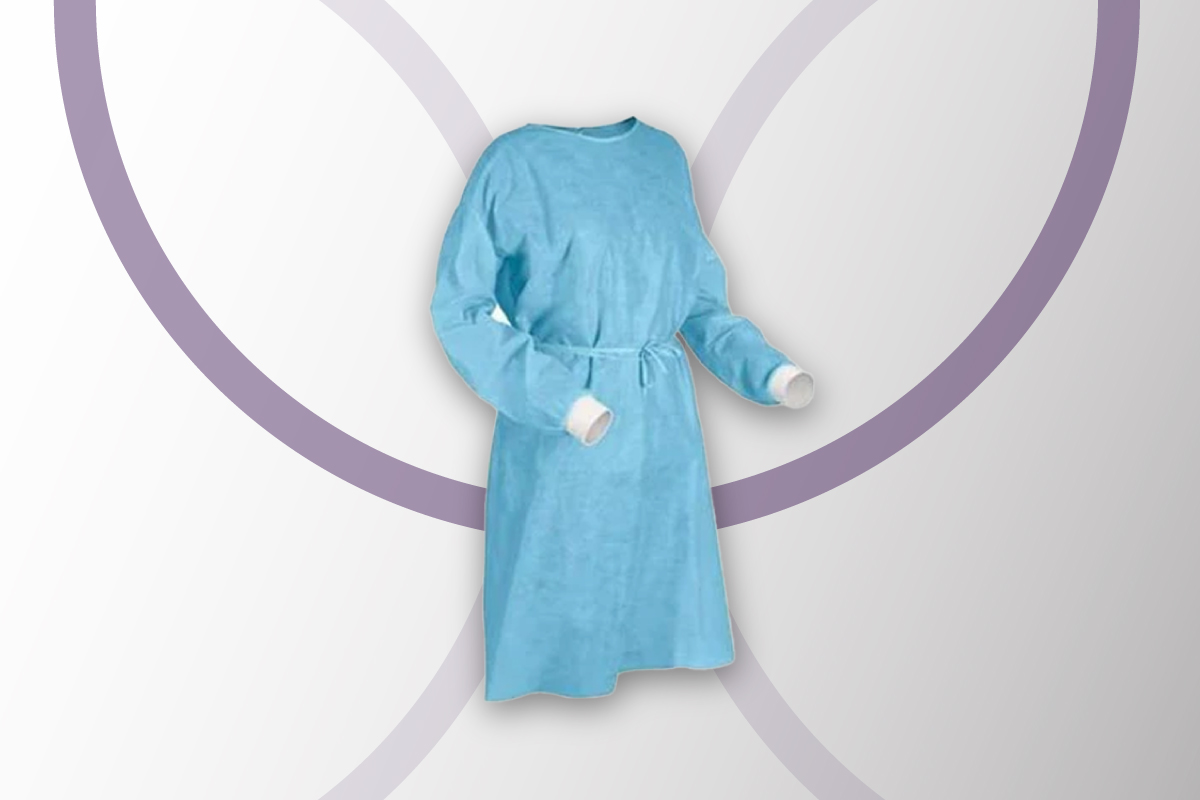
Disposable Isolation gowns have long sleeves, and a waist tie that binds at the back or front and are manufactured from a non-woven fabric material. These disposable gowns are a type of personal protective equipment used in various healthcare settings.

They protect the wearer from the spread of infection or diseases when the wearer comes in contact with infectious liquid and solid material. These non-woven gowns also prevent the wearer from transferring microorganisms that can harm vulnerable patients, specifically those with weakened immune systems.

1. Provide Protection To Healthcare Providers From Infections:

A disposable non-woven gown protects the healthcare provider from infections by keeping his skin clean from harmful substances. If a doctor does not wear a sterile gown.

He could accidentally contaminate his patients during a surgical procedure. After completing medical procedures these gowns are intended to be thrown away, as it can reduce the risk of cross-contamination to a great extent.

2. Have Characteristics Of High Filtration Of Dust And Bacteria:

Disposable non-woven gowns have low surgical infection rates and have characteristics of high filtration of dust and bacteria. Moreover, these gowns are convenient to use, hygienic, and can effectively prevent iatrogenic cross-infection.

3. Protect Both Patients And Medical Professionals:

Disposable non-woven gowns can keep doctors and patients safe from the transfusion of viruses and other potentially harmful chemicals or substances. By wearing a non-woven disposable gown, healthcare professionals are less likely to be exposed to harmful viruses and bacteria. This significantly reduces the likelihood of any infections occurring during surgery, which can lead to serious complications.

4. Make It Easier To Treat Everyone:

Patients that healthcare professionals treat can come with any number of complications. That’s why in order to easily treat them, one needs to be properly prepared. Non-woven disposable gowns have made it easier for medical professionals to examine any part of an individual’s body.

It is also more comfortable than normal street clothes for people who need to lie down for extended periods of time. Disposable isolation gowns can be worn by all healthcare workers in all healthcare settings, including acute care, ambulatory care, long-term care, and home care. Disposale isolation gowns can either be reusable or disposable.

Every disposable isolation gowns should have long sleeves, covering the body from the front and back and from the neck to the thighs. All healthcare professionals should know how to put on properly and take off PPE safely, including the non-woven isolation gown.

How To Correctly Put On And Dispose Of An Isolation Gown?

One of the main limitations of isolation gowns is that they do not provide adequate protection if the user wears them incorrectly. The wearing of these gowns is referred to as donning. Donning is a type of medical gown that is crucial for healthcare workers as part of an overall infection-control strategy.

Whether medical workers are putting on reusable isolation gowns or disposable gowns, they must be trained to wear them in a proper manner.

An isolation gown should be put on using the following steps:

1. Prepare The Gown:

After sanitizing and washing your hands thoroughly, grip the isolation gown from the neck area. Most gowns are particularly designed to fall and open for easy access. If it does not maintain your grip on the neck area then use a fast, downward snapping action to open it correctly.

2. Insert Your Arms:

After unfolding the gown, place your arms into the gown sleeves and slip your hands into the thumb elastic cuffs.

3. Fix The Gown Into Place:

After that, pull the gown over your head and ensure that it is of appropriate size and long enough so that it can cover the torso and arms adequately.

4. Secure The Gown:

Disposable isolation gowns or medical gowns are usually open at the back. Make sure to secure these gowns by tying the back at the waist. These gowns are open at the back so that medical professionals can wear them quickly with minimal risk of contamination. Whereas patient gowns are open at the back so they can give nurses or surgeons easier access to specific parts of a patient’s body.

Removing an isolation gown is called doffing. Taking off an isolation gown in a proper manner is also necessary in order to minimize the risk of spreading infection. This step is particularly important for healthcare providers as they are most vulnerable at this stage.

For example, the transmission of several viruses occurs through respiratory droplets, which might be present on a gown. The wearer must avoid contact with infectious materials and body fluids to minimize the risk of contamination.

An isolation gown should be disposed of using the following steps:

1. Sanitize Your Hands:

In order to sanitize your hands properly, try to scrub them thoroughly for a few seconds to ensure contaminants are removed. Medical workers often wear gloves when they remove their isolation gowns.

2. Untie At The Waist:

In order to untie the gown, pull the shoulders down to break the neck closure and loosen the gown around the upper torso. After that, release the waist ties and free this gown around the sides of your body.

3. Roll The Gown:

Roll the gown by pulling it away from the sleeve until the arms are bunched at the wrists. After that, roll the exposed and potentially contaminated side of the gown inward until it is formed into a ball.

Ensure the contaminants and fluids do not escape or leak. You can then remove your hands and gather the gown for disposal.

4. Dispose of The Gown:

Depending on the facility, there might be a specific method for disposing of isolation gowns.

FAQ’s:

What Is The Key Difference Between An Isolation Gown And A Surgical Gown?

What Is The Main Purpose Of Wearing An Isolation Gown?

What is the Difference Between Vinyl, Nitrile, & Latex Gloves?

Disposable gloves are an essential item in the healthcare environment. They protect both patients and healthcare providers from exposure to potentially dangerous microbes and help set a precedent of hygiene across the medical industry. Apart from healthcare providers, people belonging to any field can use disposable gloves in order to avoid direct contact with infections and germs. They can protect your health and the health of the person you are taking care of.

Disposable gloves are not all created equal. They may either be sterile or non-sterile. Most people do not need sterile gloves. Sterile gloves are individually wrapped, whereas non-sterile disposable gloves are usually pulled out of a container or a box.

Disposable gloves may be made from latex (rubber), nitrile or vinyl materials. Different designs and material choices make these gloves better suited for certain medical environments. In this blog, we will discuss what makes these gloves distinct from each other and offer guidance into which environments each type best suits.

Where these gloves are used:

Nitrile Gloves:

  • Hospitals because of their FDA-approved strength test.
  • Industries and construction sites due to their durability.

Latex Gloves:

  • Operation theatre because of high touch sensitivity.
  • Chemical labs due to their durable material and low chemical transmission rate.

Vinyl Gloves:

  • Handling and serving food to prevent the transfusion of bacteria onto food.
  • Light tasks such as cooking, painting, and cleaning.

Nitrile Gloves:

Nitrile gloves are fabricated from synthetic rubber and are specifically designed to build upon the best features of natural rubber without the drawback of potential allergic reactions. Nitrile synthetic rubber has superior resistance to abrasion, wear and tear, puncture, oil, grease, and various types of solvents. Nitrile gloves have more flexibility, stretch more, and usually fit better than vinyl gloves. Moreover, the manufacturing process of nitrile gloves includes a textured grip-enhancing finish on the thumbs and fingers.

For non-medical applications, nitrile gloves are a longer-lasting solution, especially in meat and poultry operations, due to superior resistance to animal greases and fats. In medical applications, nitrile gloves that meet FDA requirements as non-sterile examination gloves are also chosen by medical professionals due to their enhanced flexibility, sensitivity, and fit.

Latex Gloves:

Latex gloves are manufactured from a biodegradable material originating from the latex ducts of rubber trees. These gloves have the most resilient, elastic, and form-fitting material, which gives the wearer a great deal of tactility, dexterity, and comfort, making these gloves perfect for auto repair, medical, and food service applications.

Latex gloves are one of the most common gloves and offer the most effective protection against viruses, bacteria, and body fluids. Latex gloves can come in various thicknesses for durability from tears and punctures. They usually include powered, lightly powdered, and powder-free forms. The powder inside these gloves is generally cornstarch-based. People who can opt for these gloves generally include:

  • Medical professionals.
  • Those who want a comfy fit.
  • Those who work in salons or cosmetic businesses.
  • Those who prefer enhanced touch sensitivity gloves.

Furthermore, latex gloves are essential safety gear for people who want to protect themselves while working outdoors or at home. They are durable and strong and can keep hands clean and free from dust, dirt, and other debris. In addition, they are a cost-effective choice and are readily available.

Vinyl Gloves:

Vinyl gloves are made from plastic resin and plasticizer, which provides strength and flexibility. These gloves’ actual performance depends on the resin-to-plasticizer ratio. The higher the resin, the more potent yet less flexible the glove will be. However, vinyl gloves have limited chemical resistance because various harsh chemicals and solvents extract the plasticizer from the gloves.

For non-medical applications, vinyl gloves offer a lower-cost solution for hygiene purposes. Vinyl gloves are also an ideal choice for food preparation and service workers. In medical applications, vinyl gloves that meet FDA requirements are used as non-sterile examination gloves.

Approximate Costs Of Nitrile, Vinyl, And Latex Gloves:

In general, the average cost of disposable gloves ranges between $9 to $25, and there are various factors to consider in order to choose the best type of disposable gloves, such as their quality, durability, flexibility, and strength. These factors also affect the estimated costs of these gloves. The estimated costs of latex gloves per bundle vary between $30 to $35.

On average, vinyl gloves are considered to be the cheapest ones and cost around $20 to $50 or more, and these prices usually depend on the quantity of each bundle one is buying. Nitrile gloves’ average cost usually ranges between $20 per bundle. However, this price varies with regard to different factors, including their availability and location of customers.

In Conclusion:

Disposable gloves play a significant role in the safety of people belonging to different fields. But one should choose the type of gloves depending on their skin type, especially if they are sensitive or allergic to specific glove material. Furthermore, also try to look for the quality raw materials used in manufacturing disposable gloves.

In general, nitrile gloves are the most durable and resistant to chemicals and punctures. Whereas latex gloves are more elastic and flexible than nitrile gloves, but some people are allergic to these gloves. Moreover, they are the most popular in the medical care and food industry because of their high sensitivity and eco-friendly material.

Gloves fabricated from vinyl material are the go-to for people who require minimum protection from harmful substances. Vinyl gloves are cheaper in price and offer lower-scale protection for professionals who perform light-duty tasks such as cleaning the kitchen or painting a fence.

Moreover, opting for the right type of glove also depends on the application for which one will be using the glove. Try to buy a glove that is the correct size for your hand, which will provide the most comfortable fit and will prevent the gloves from falling off your hands. Some people have also reported having allergic reactions to the cornstarch-based powder in the gloves. That’s why this factor should also be kept in mind while choosing powdered or powder-free gloves.

Comprehensive Guide for Phosphoric Acid Etching Gel

These barrier envelopes also help to protect the x-ray plates. The premium plastic material is tough and prevents the plates from getting scratched, dented, or damaged while in the patient’s mouth. By using dental X-ray barriers. You can maximize the service life of each plate, which helps cut down on the practice’s expenses as well.

  • Effectively removes the smear layer.
  • Demineralizes enamel and dentin.
  • Perfect viscosity.
  • Highly visible.
  • Rinses away cleanly.

Moreover, phosphoric acid is not only used for etching enamel and dentin surfaces within dental bonding procedures but can also be used as an intra- and extra-oral cleaning agent for tooth structure and dental restorations. One of the major advantages of a phosphoric acid gel etchant in dentistry is its superior control during placement procedures.

Characteristics Of Phosphoric Acid Etching Gel

Etching gel has non-slumpy consistency, allows precise application and is generally blue in colour which makes it highly visible. Moreover, it is easily rinsed with minimum effort. Etching gel roughens the surface, increases retention of sealant, and promotes mechanical retention for composite restorations for inlays, crowns, bridges, veneers, root canal posts splints, orthodontic brackets, and pit and fissure sealing.

Types of acid:

The concentration of etching gel usually contains phosphoric or hydrofluoric acid.

Concentration:

The actual concentration percentage varies depending on whether it is phosphoric or hydrofluoric. However, phosphoric acid is commercially available in concentrations between 30% and 40%, with 37% being the most common. On the other hand, hydrofluoric acid is usually used in concentrations between 5% and 10%.

The Viscosity:

The ideal etching gel should have an appropriate viscosity that facilitates its precise application. The etching gel having the property of thixotropy allows it to flow and become more viscous when it is applied and does not run off the tooth’s surface.

Liquid/Gel:

The etching gel can be presented in both liquid and gel form. In both cases, they can be in syringe or canister format.

Directions For Etching Gel:

The etching gel is a water-based, 40% phosphoric acid gel. The gel is blue in colour for better visibility and easy identification against tooth structure. Etching gel is generally applied using a syringe with a dispensary needle attached. The gel is applied directly to the tooth enamel, covering all the angles and keeping the acid from the dentin. Then the acid gel is left in place for 15 seconds.

Usually, a 90 to 120-second etch is recommended on primary teeth with high fluoride content. After that, the gel is rinsed thoroughly for 20 seconds. Then dried with air that is water and oil-free.

Faq’s

What Does Etching Gel Do To Teeth?

Why is An Etching Gel Required?

What Are The Different Acid Etching Techniques?

Can Etching Gels Harm Your Teeth?

Why is The Concentration of Phosphoric Acid 37% in Etching Gels?

How Long Should The 37% Phosphoric Acid Etchant Be Applied Simultaneously To Enamel and Dentin?

All You Need To Know About Dental X-Ray Barrier

During a dental x-ray, harmful elements can pass from patients to dentists. This barrier envelope effectively helps in preventing such instances from happening. These x-ray barriers are made from high-quality materials and won’t easily tear or rip while you are inserting or removing the plate.

These barrier envelopes also help to protect the x-ray plates. The premium plastic material is tough and prevents the plates from getting scratched, dented, or damaged while in the patient’s mouth. By using dental X-ray barriers. You can maximize the service life of each plate, which helps cut down on the practice’s expenses as well.

The dental X-ray barriers, also called barrier envelopes, are also designed to increase patients’ comfort and save them from harmful radiation. The X-ray barriers protect and avoid cross-infection among doctors and patients.

These envelopes or barriers are manufactured to fit all Kodak, Dentsply, Sirona, and Air Techniques phosphor plates. They are made of soft, supple vinyl with rounded corners to maximize patient ease and comfort. These barrier envelopes are manufactured in different sizes ranging from 0, 1, 2, 3 to 4.

Benefits Of Dental X-Ray Barriers

There are multiple benefits of dental X-ray barriers, and that’s why their popularity is increasing rapidly. In addition to providing comfort and ease to the patients during the dental diagnosis and treatments, they prove to be very beneficial in a variety of ways, including:

1. Prevent Transmission Of Harmful Elements Between Patients And Dentists

During the oral treatment process, there are high risks of cross-contamination or transmission of harmful chemicals between patients and dentists that could result in severe consequences.

The dental x-ray barriers effectively protect patients and dentists from such conditions and allow dental procedures to be carried out in safe environments by minimizing the chances of cross-contamination.

2. Saves Diagnostic Costs

Apart from providing protection against harmful rays and preventing cross-contamination, these barrier envelopes also save diagnostic costs. The dental X-ray barriers enable the practitioners to reuse the dental x-ray plates inside the barrier envelopes. This significantly helps the practitioners to save their treatment costs, and it proves to be a cost-effective choice for them.

3. Protect The X-Ray Plates From Germs, Scratches, And Damage

The dental x-ray barriers are fabricated from premium quality hard, durable, and tough plastic material. That’s why these dental x-ray barriers can effectively protect the x-ray plates from getting damaged or scratched. This also saves the money of repeatedly purchasing the x-ray plates after they get worn out due to consistent scratches.

That’s why the X-ray plates should be protected with plastic barriers. If in case, the dental barrier is not available, then the dental film should be disinfected with alcohol in order to prevent cross-contamination.

Types Of X-Ray Barrier Envelopes:

There are numerous types of dental x-ray barriers or envelopes that are chosen according to their quality and costs. Some most common dental x-ray barrier envelopes are as follows:

1. Visionary Barrier Envelopes

Visionary Barrier Envelopes have extended tabs that protect phosphor plates and simultaneously prevent cross-contamination. These types of barriers are specifically designed with soft edges to increase patient ease and comfort.

Moreover, they have peel, stick closure, and tear-open extended tabs making the envelopes simple and convenient to work with. These barriers are easily available in all sizes and are compatible with every kind of phosphor plate.

2. Barrier Envelopes With Extended Tabs

Visionary Barrier Envelopes are fabricated with additional and extended tabs and are used to protect phosphor plates (PSP) in a more effective manner while simultaneously preventing the transmission of harmful elements between patients and dentists.

These dental x-ray barriers also effectively eliminate the potential risks of cross-contamination during the treatment procedure. These barriers provide the most precise and universal fit with all kinds of phosphor plates (PSP). They have extended tabs and provide the users with easy opening procedures by allowing peel & stick closure.

3. Biodegradable Dental X-Ray Barrier Envelopes

The biodegradable dental x-ray barriers are disposable envelopes that reduce the carbon footprint and are completely safe for the well-being of our environment. Nowadays, people are getting more concerned about the welfare of their surroundings and want to use materials fabricated from biocompatible materials that do not harm our ecosystem.

The biodegradable x-ray barriers prove to be completely safe for our environment and are a cost-effective choice. As the x-ray barriers are fabricated from biodegradable materials, they can be used repeatedly, which significantly reduces the costs involved in diagnosing oral diseases. They are manufactured from soft-vinyl materials with rounded corners, provide quick tear-off openings, and fit over all kinds of phosphor plates.

Faq’s

Role of Masks in the Control of Contagious Diseases

Mask is a public health tool that protects people from various viral diseases. It is a comprehensive strategy that controls the spread of various fatal diseases in a community. By wearing a mask, you can minimize the risk of infection when you come in contact with different people. During the global pandemic covid-19, the mask proved to be one of the major protective measures by limiting the spread of this fatal disease.

Why Should You Wear a Mask?

Some people are at a relatively higher risk of illness than others, such as older people, pregnant females, and people who already have existing medical conditions; wearing a mask becomes compulsory for such persons to protect their lives. Moreover, some individuals should wear face masks while contacting people even if there is no pandemic going on, such as:

  • Individuals with weakened immune systems.
  • People who have existing medical conditions which make them vulnerable.
  • Individuals who are in close contact with vulnerable people because of their health or age.
  • Children lower than ten years
  • People who work in the medical field and contact patients on a daily basis

Benefits of wearing a mask:

There are multiple advantages of wearing a mask while going to public places. Following are a few reasons that prove what role masks play in our lives.

Masks can protect your lives

Masks block the transmission of contagious diseases and eliminate the circulation of those diseases in a community. By wearing a mask, you can minimize your risks of contracting the infection and save your loved ones.

When people wear masks, the virus can no longer propagate in a community and cuts its chains. During the viral pandemic covid 19, researchers have shown that the communities who wore masks were at lower risks of infection and had a substantiated decline in the spread of the virus.

You may have no idea that you have contracted the contagious virus

If you have contracted the virus already, you can still save the people around you by wearing a mask. Masks not only protect the people who wear them, but they can also protect their loved ones. Sometimes a person becomes a carrier of the disease without even realizing it because no symptoms are shown in the early stages, so it is better to wear a mask to act as a defence system and minimize the propagation of diseases.

The effort is minimal in comparison to its benefits

Mask is the most convenient and cheapest intervention in history. It has an enormous number of benefits with minimal effort. It can save lives. Masks are very economical and easily accessible items that every person can find and afford, but their advantages are unmatchable. During covid-19, masks acted as lifesavers and saved the lives of millions of people.

Masks can act as a substitute for lockdowns

During the global pandemic, covid-19, the economies of countries were destroyed due to lockdowns. Wearing masks was the only way to protect lives and resume the normal functioning of life. Masks proved to be an excellent substitute for lockdowns and offered economic boons.

Masks provide additional protection when one can’t physically distance itself

Sometimes people are stuck in such positions where they cannot physically distance themselves from crowds. In such cases, masks act as a lifesaver, protect you against viral diseases, and help you stay safe and healthy.

Different types of masks

There are several types of masks that are accessible to people and comprise different properties, characteristics, and prices. People opt for different qualities of face masks depending on their requirements and preferences.

1. N-95 Mask

N-95 is a respiratory mask that filters airborne transmissible contaminants. These masks have exceptional quality and are slightly more expensive than the standard surgical masks. The N-95 masks are generally recommended for healthcare workers who encounter patients daily for improved protection.

2. Disposable or surgical masks

The loose-fitted, disposable surgical masks are termed personal protective equipment. These masks are manufactured from a combination of plastic and paper and have multiple layers. Surgical masks cover the nose and mouth and can filter large droplets, but they are not very effective in blocking extremely tiny particles.

They generally act as a barrier to floods rather than airborne particles and do not tightly feel the face. As the name suggests, surgical masks are disposable and are usually used once or twice. Out of all the mask types, disposable surgical masks are the most common, easily available, and widely used. The surgical masks also come with multiple woven layers and an adjustable wire for better fitting around your face.

3. Reusable cloth masks

The general public prefers reusable cloth masks because they can be used multiple times. The cloth masks that have three layers can somewhat block the harmful particles from entering respiratory orifices.

Cloth masks are easily accessible and prove to be affordable as they can be used multiple times. However, the filtration properties of cloth masks are relatively lower than the N-95 and surgical masks. Cloth masks were very common in the past when the latest types of masks were not available.

4. KN95 Masks

KN95 masks are also called respirators and fulfill international health standards. These masks provide more protection against contagious diseases as compared to other types of masks due to the presence of a filter. The KN95 masks are capable of filtering and blocking extremely tiny airborne particles. Mostly, these masks are recommended to health professionals.

The KN95 masks are more convenient and comfortable and are relatively more breathable because of having adjustable ear loops and nose wires.

Costs of different masks

The cost of masks fluctuates depending on factors like your region, type of mask, and quality.  The surgical masks usually cost around $35 to $40 per pack of 50. The cloth masks are reusable and cost around $2 to $10, depending on the number of layers and their quality.

The N-95 masks are almost $10 to $15 per pack of 5. The price of KN95 masks fluctuates between $9 to $12 per pack of 5. However, these prices vary and differ from person to vendor or vendor to vendor.