
FREE SHIPPING ON ORDERS $60 OR ABOVE

N95 Respirators

What are N95 respirators?

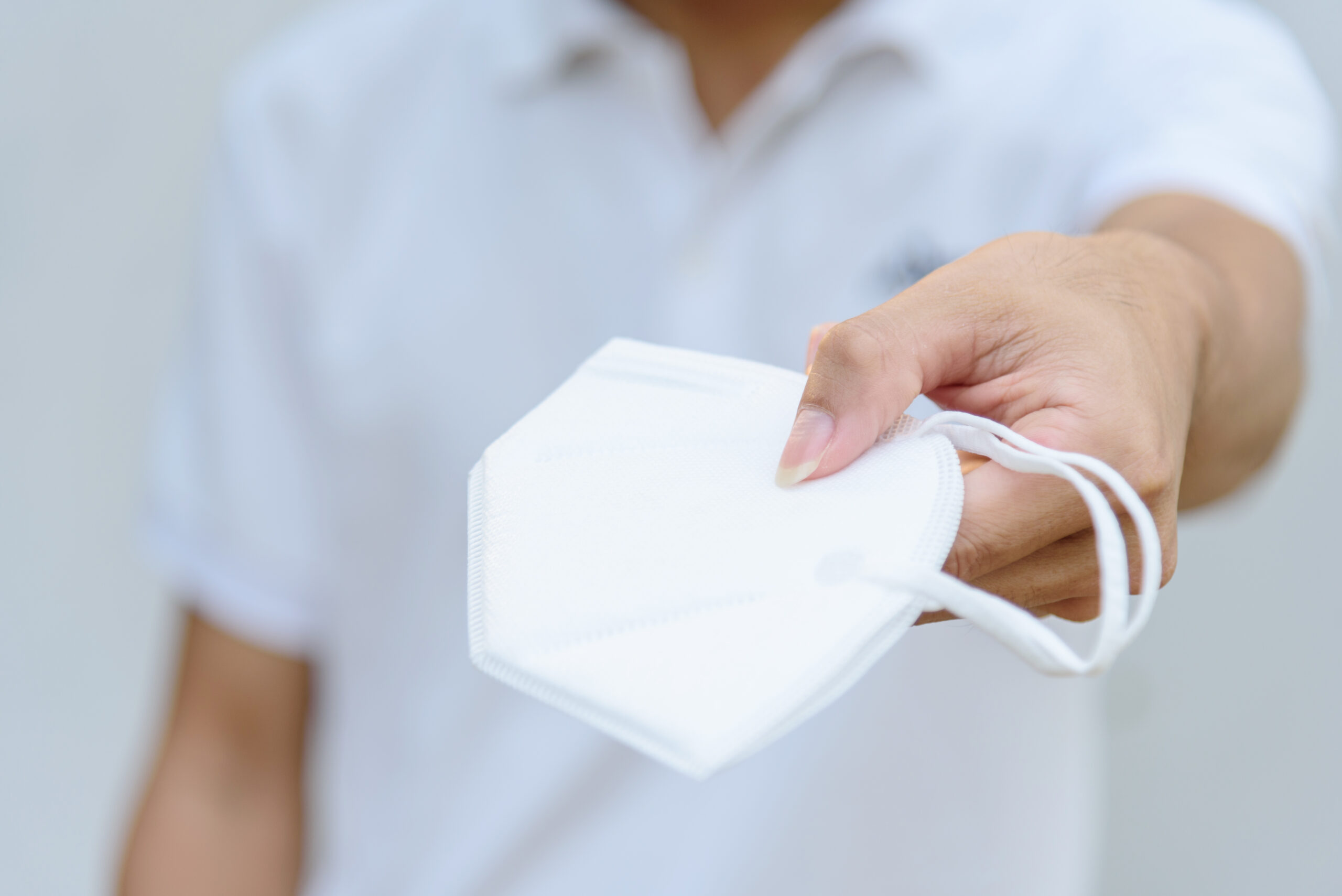
N95 respirators, or particulate filtering face-piece respirators, belong to a category of face masks known as respirators. These type of respirators are used primarily by healthcare workers and part of their Personal Protective Equipment (PPE) to protect the respiratory system from potentially harmful fluids and airborne particles by creating a barrier around the nose and mouth of the wearer. When worn properly and with the right fit, N95 respirators form a tight-fitting seal around the nose and mouth unlike surgical masks that have a loose fit. They work by filtering at least 95% of potentially harmful airborne particles and aerosols that are inhaled by the wearer. Health Canada accepts the standards for N95 respirators set by the U.S. National Institute for Occupational Safety and Health (NIOSH). NIOSH standards look at the fit, breathability and filtering efficiency of the respirator among other things. Health Canada also recognizes the standards of some other countries as long as manufacturers can show that their products have passed the appropriate performance tests to meet Health Canada’s standards. For example, KN95 respirators are the Chinese standard and are similar to NIOSH-standard N95 respirators in terms of material standards, design and filter efficiency. Penguin Health offers both U.S. made NIOSH approved N95 respirators and the Chinese standard KN95 respirators.

How do they work?

When working with sick patients, healthcare workers are exposing themselves to airborne particles and aerosols that can cause infectious diseases. Surgical masks can offer protection against large particles and fluids but cannot protect against smaller airborne particulates that can be inhaled in procedures where risk of exposure to infectious diseases is high. In these situations, N95 respirators offer better protection by filtering at least 95% of these potentially hazardous airborne particulates. Their tight seal prevent airborne contaminants and viruses from entering and exiting through the edges of the mask. During this pandemic, N95 respirators have become essential for healthcare workers as they provide better protection against the virus than surgical masks.

Can N95 respirators be reused?

N95 respirators are meant to used once and then disposed of properly, especially when used by healthcare workers. However, given the urgent need for face masks during this pandemic, Health Canada has allowed the reuse of certain N95 respirators as long as they have been decontaminated properly. There are various methods for decontaminating and reprocessing used N95 respirators that have been approved by Health Canada. They will also have to be retested for their filter efficiency and fit before every reuse. There is a limit to how many times they can be reused as fit and filter efficiency will decrease over time.
Disposable vs. Reusable Isolation Gowns

What is the difference between disposable and reusable isolation gowns?

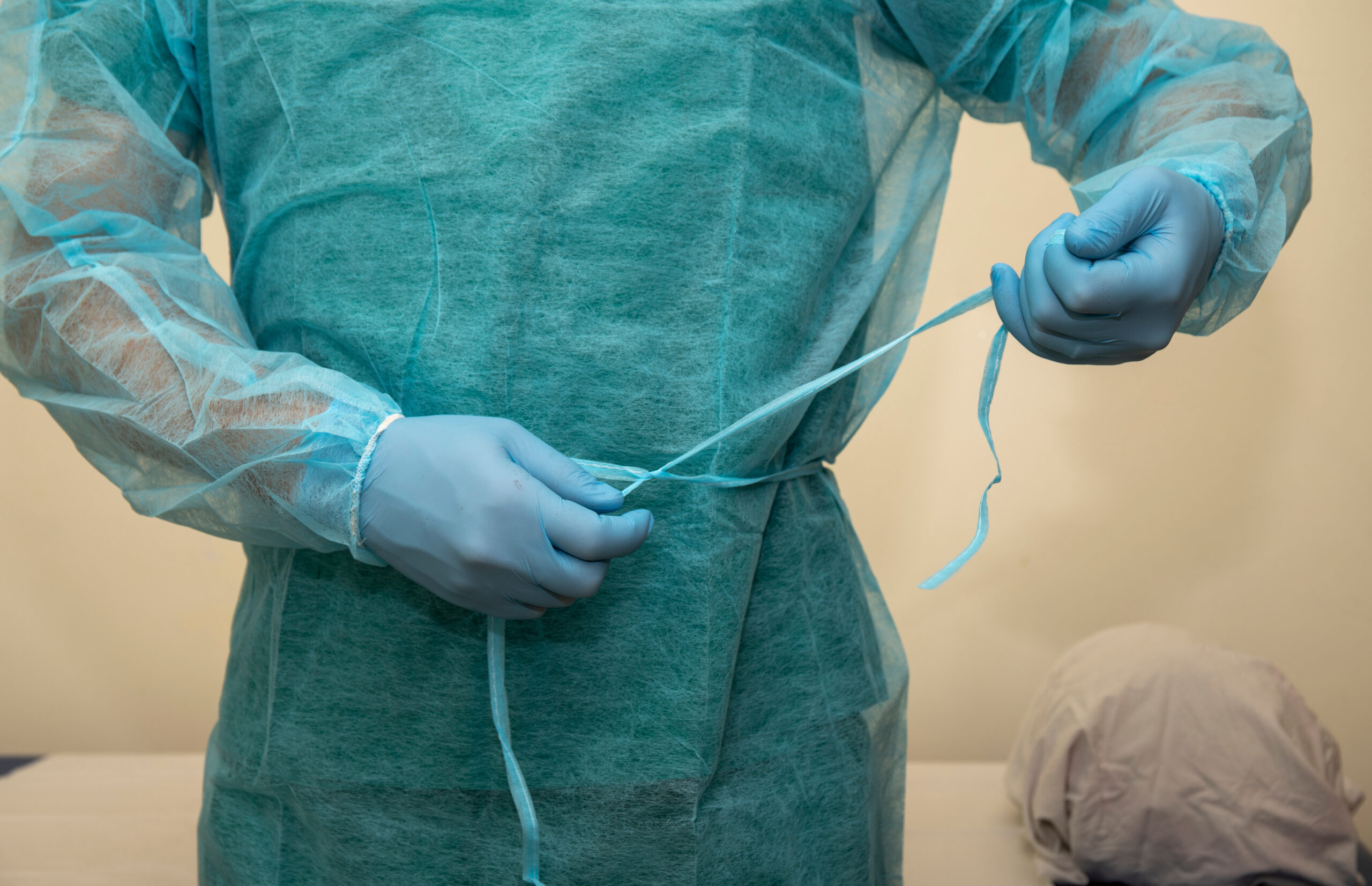
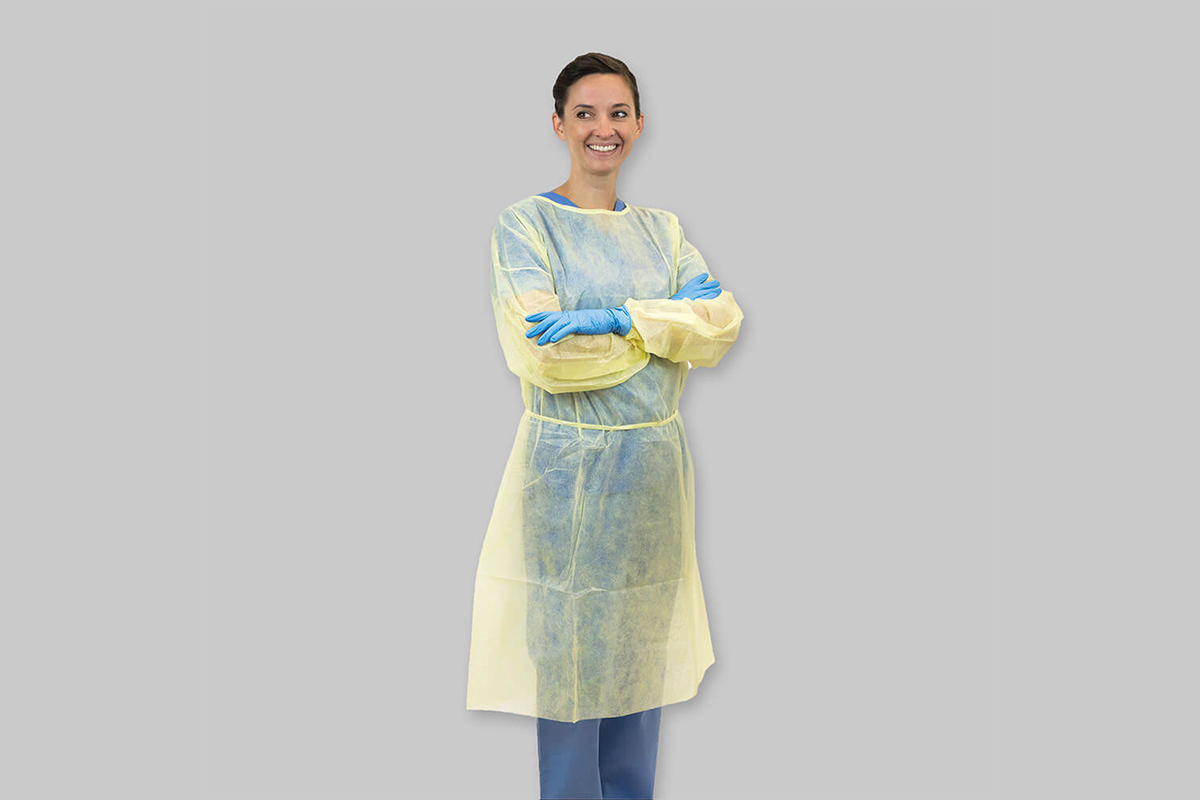
Isolation gowns used by healthcare workers as part of the Personal Protective Equipment (PPE) can be either disposable or reusable. Disposable isolation gowns are single-use gowns that must be properly disposed of after use. They are typically made with non-woven fabrics, such as non-woven polypropelene, and plastic films. Reusable gowns can be used multiple times after being washed and sterilized. Reusable gowns must be disposed of after they have been washed a certain number of times. The gown’s fluid protection barrier is sustained for a certain number of wash cycles, which is specified by the manufacturers and depends on the level of barrier protection provided by the gown. They are typically made with woven fabrics such as polyester blend. Despite these differences, the standards are the same for both types of gowns and gowns must meet these Health Canada approved standards to be certified for distribution. Therefore, they both provide the same level of protection from potentially hazardous fluids. Order your reusable and disposable isolation gowns from Penguin health.

Which type of isolation gown is better?

Previously, healthcare facilities had primarily opted for the use of disposable isolation gowns as they are the less expensive choice. However, there has recently been a shift towards the usage of reusable gowns over disposable due to increasing evidence that suggests that reusable gowns are more environmentally friendly and cost-effective in the long run. Disposable gowns create a lot of waste because they have to be disposed of and replaced after each patient encounter. The cost of disposing of this waste often surpasses the cost of laundering and sterilizing reusable gowns. The waste created by disposable gowns can end up in landfills and also have a negative impact on the environment.

Modern Level 3 AAMI reusable isolation gowns are more environmentally friendly because they are manufactured sustainably, produce little solid waste and have been shown to reduce carbon emissions produced by healthcare facilities in the long run. Recent advances in laundering technology have led to the development of washing techniques that save on water consumption. Making the switch to reusable gowns can also help healthcare facilities save on the costs related to waste disposal. The reusability and sustainability of reusable isolation gowns make them a commodity, especially in light of this ongoing pandemic. The AAMI rated reusable gowns at Penguin Health have been manufactured locally here in Ontario, Canada and meet Health Canada & FDA standards for their high quality and standards.


To Order your level 3 reusable/washable gowns head over to Penguin Health.


What are isolation gowns?

What are isolation gowns?

Working in the frontline can expose workers to a variety of hazardous or infectious agents, which is why it is imperative that they wear the appropriate Personal Protective Equipment (PPE) to protect themselves. An isolation gown is one of the most essential pieces of PPE for healthcare professionals that protects both the wearer and their patients from fluids, particulates and other substances that can carry infectious diseases. When worn properly, it fully covers the arms and the front and back of the body from the neck all the way down to the thighs. It is fastened at the back of the neck and around the waist and is easy to put on and take off. Healthcare workers require training on the proper technique for putting on and taking off gowns. The fit of the gown is important to ensure effective protection against potential contaminants.

Isolation gowns are different from surgical gowns. Isolation gowns can be worn by all hospital staff and visitors in most settings and situations while surgical gowns are worn by healthcare workers that are working in a sterile environment. Isolation gowns can be either reusable or disposable isolation gowns. Disposable gowns are single-use and must be safely thrown away after use. Reusable gowns can be washed and disinfected multiple times for reuse. However, the number of rewash cycles is limited and the gown must eventually be replaced

In Canada, isolation gowns are class I medical devices and must meet the standards accepted by Health Canada to be approved for distribution. Health Canada recognizes the standards of the Canadian Standards Association (CSA), the American National Standards Institute and Association of the Advancement of Medical Instrumentation (ANSI/AAMI), and the European. Penguin health offers a variety of Health Canada certified reusable and disposable AAMI rated isolation gowns that fit any size comfortably and securely and have been manufactured in Ontario.

How do they work?

Isolation gowns form a liquid barrier that prevents the splatter of fluids from exposing the wearer to potentially infectious diseases. They also prevent the wearer from spreading potentially infectious particles to their patients. Manufacturers test the material of their gowns for durability and the performance of the barrier for its ability to resist fluids. Some medical procedures pose a higher risk of exposure to contaminants than others. Therefore, isolation gowns in Canada are classified as risk level 1, 2, 3 or 4 depending on how much protection they offer, with level 1 gowns being used for procedures that pose minimal risk and level 4 gowns being used for procedures that have a high risk of exposure. It is highly recommended to wear a level AAMI 3 gown that provides the best fluid and aerosol protection.It is imperative that healthcare workers choose the right gown for each situation or procedure they encounter to ensure optimum protection.

Why Level 3 reusable/washable gowns?

Penguin Health manufactures level 3 reusable/washable gowns that provide the best protection to all the health workers from all aerosols and provide waterproof barriers. Also Penguin health gowns are washables and can be washed for 150 times. Penguin Health level 3 reusable gowns are eco friendly as they save 100s of disposable gowns from going into our landfills.


To order your personal protective equipment, dental consumables, reusable isolation gown call or order online from Penguin Health, medical supply store online. www.penguinhealth.co.